.jpg?w=1376&h=689)
**Engagement Ring vs Wedding Ring: Key Differences, Styles & Bands Explained**
From sparkling proposals to heartfelt vows, rings hold a cherished place in the journey of love and commitment. While often used interchangeably, engagement rings and wedding rings are distinct in their symbolism, history, and style. Choosing the perfect rings involves understanding these differences and exploring the array of captivating options available. In this comprehensive guide, we’ll unravel the key differences between engagement rings and wedding rings, showcase timeless and trending styles, and share expert advice on selecting the perfect ring for your love story.
---
What is an Engagement Ring?
An engagement ring is a ring presented during a proposal or betrothal, symbolizing the intention to marry and the promise of lifelong partnership. Traditionally, it features a prominent gemstone—most commonly a diamond—chosen to reflect enduring love and commitment.
**A Symbol of Promise and Love**
The engagement ring marks a significant milestone: the transition from dating to wedding planning. It’s often worn on the fourth finger of the left hand, believed by the Ancient Romans to have a direct vein to the heart—the “vena amoris.”
**A Rich Historical Background**
The tradition of engagement rings dates back to Ancient Rome, where wives wore rings attached to small keys to indicate their spouse’s ownership. However, diamond engagement rings gained popularity in 1477, when Archduke Maximilian of Austria gave Mary of Burgundy a diamond ring, setting a trend among European nobility. The De Beers campaign in the 20th century, with the slogan “A Diamond is Forever,” cemented the diamond engagement ring as a modern classic.
**When is an Engagement Ring Given?**
Typically, the engagement ring is presented during a proposal or engagement ceremony. In most cultures, only the person being proposed to wears an engagement ring until the wedding day.
---
What is a Wedding Ring?
A wedding ring, also known as a wedding band, is exchanged during the marriage ceremony, symbolizing the formal union of two people. Unlike engagement rings, wedding rings are traditionally simpler in design but equally meaningful.
**The Symbol of Eternal Love**
The unbroken circular band represents eternity—an endless loop signifying endless love and commitment shared between partners.
**Historic Roots of the Wedding Ring**
The tradition of exchanging wedding rings dates back over 4,000 years to Ancient Egypt, where couples exchanged braided reeds as rings. This practice evolved over the centuries, spreading across different cultures and religions as a universal symbol of marriage.
**When is a Wedding Ring Exchanged?**
During the marriage ceremony, partners exchange wedding rings and vow to honor and love one another — a tradition that continues to this day. Both spouses typically wear their wedding rings after the ceremony.
---
Key Differences Between Engagement and Wedding Rings
While both rings play significant roles in the marriage journey, they differ fundamentally in timing, design, cost, and symbolism.
**1. Timing of Giving and Wearing**
- *Engagement Ring:* Typically given at the proposal and worn during the engagement period.
- *Wedding Ring:* Exchanged at the wedding ceremony and worn thereafter, signifying marital status.
**2. Symbolic Meaning**
- *Engagement Ring:* Represents a promise or intent to marry.
- *Wedding Ring:* Denotes ongoing commitment within marriage.
**3. Design and Style**
- *Engagement Ring:* Features a prominent gemstone (often a diamond), intricate settings, and more elaborate designs.
- *Wedding Ring:* Tends to be a simple band, sometimes with small gemstone accents or etchings to complement the engagement ring.
**4. Average Cost and Materials**
- *Engagement rings* are often more costly due to the central gemstone and craftsmanship.
- *Wedding rings* are usually simpler and more affordable, focusing on comfort and durability.
---
Popular Styles of Engagement Rings
Choosing an engagement ring style is a deeply personal decision, reflecting the wearer’s unique personality and style. Here are some ever-popular and trending styles:
**1. Solitaire Rings**
The timeless classic. Solitaire rings feature a single striking gemstone (often a brilliant-cut diamond) set on a plain or delicate band. This minimalist style focuses attention on the center stone, making it a perennial favorite.
**2. Halo Engagement Rings**
A central gemstone is encircled by a "halo" of smaller diamonds or gemstones, creating amplified sparkle and the illusion of a larger main stone. Halo rings provide a vintage yet glamorous vibe.
**3. Vintage and Antique Styles**
Inspired by bygone eras, vintage engagement rings feature intricate detailing such as milgrain edging, filigree, and unique diamond shapes. Art Deco and Victorian styles are particularly sought after for their romance and character.
**4. Three-Stone Rings**
Also known as “trilogy rings,” these feature three stones set side-by-side, representing the past, present, and future of a relationship. These rings offer meaningful symbolism with a grand visual appeal.
**5. Modern and Unique Designs**
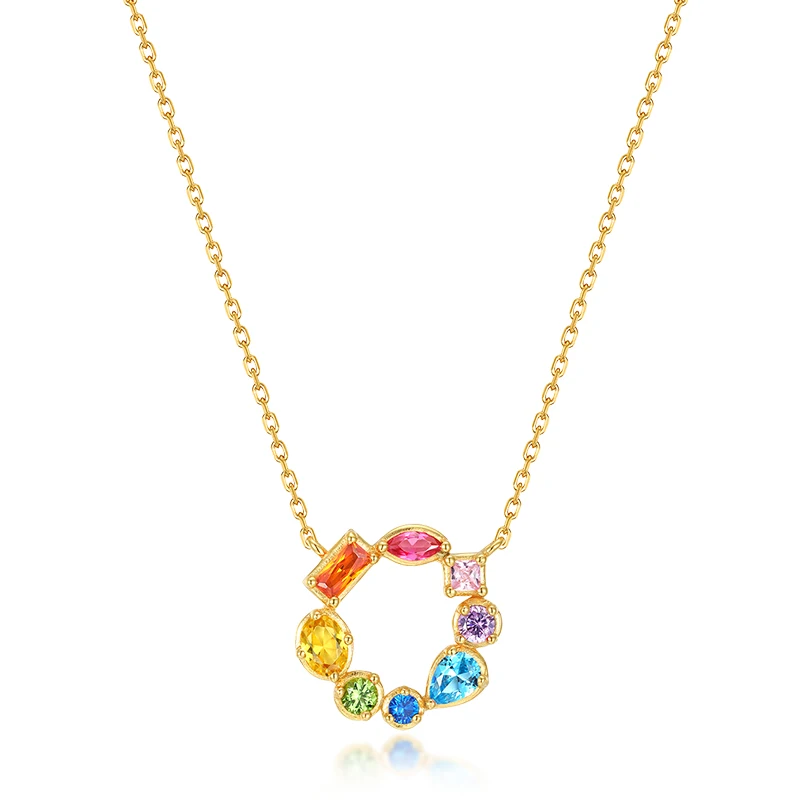
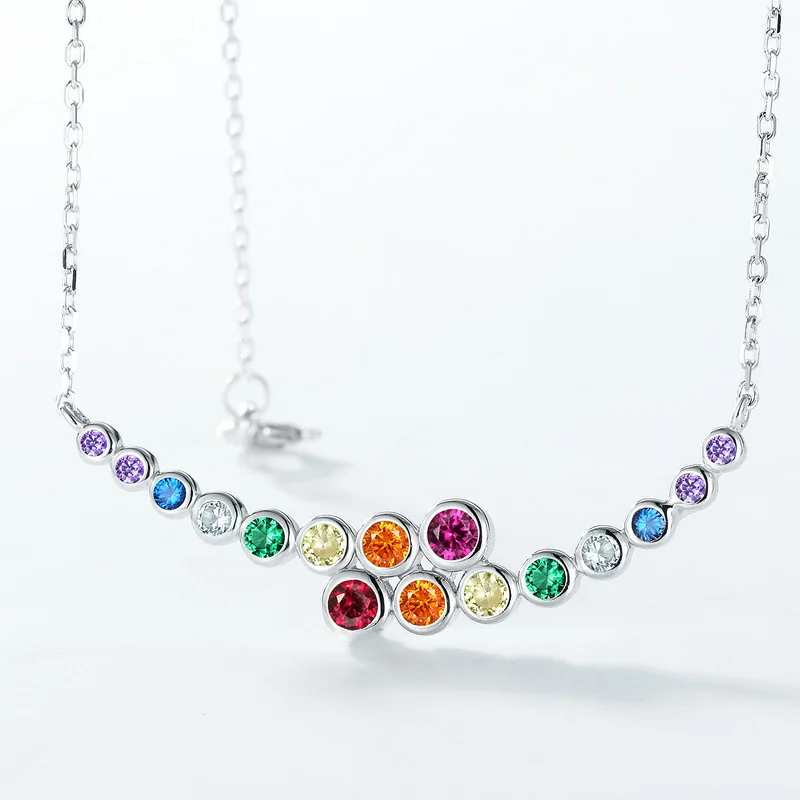
From colored gemstones (sapphires, morganites, emeralds) to unusual settings (tension or bezel set), modern engagement rings showcase creative designs for those seeking a distinctive look.
---
Popular Styles of Wedding Bands
Wedding bands, while typically simpler than engagement rings, offer a range of styles to suit every taste and budget.
**1. Classic Plain Bands**
Understated elegance with no stones—just pure, polished metal. Classic bands are perfect for those who value tradition and minimalism.
**2. Eternity Bands**
Adorned with a continuous circle of diamonds or gemstones, eternity bands symbolize unending love. These are popular for both weddings and anniversaries.
**3. Diamond-Accented Bands**
Subtle rows of diamonds or gemstones add a touch of sparkle to a basic band, complementing the accompanying engagement ring.
**4. Curved, Contoured, or Stackable Bands**
Shaped to fit snugly around the engagement ring, these bands can form a cohesive “bridal set.” Stackable bands give flexibility to mix and match for a modern layered look.
**5. Custom and Matching Bands**
Personalize your wedding band with engraved dates, messages, birthstones, or patterns. Coordinating bands for both partners can symbolize unity and matching commitment.
---
Materials Used for Engagement and Wedding Rings
The choice of metal and gemstones influences the ring’s appearance, durability, and price. Here are the most common materials:
**Gold**
- *Yellow Gold:* Traditional and warm; suits vintage and classic designs.
- *White Gold:* Modern yet understated, complements diamonds with its silvery sheen.
- *Rose Gold:* Romantic with a pink hue, becoming increasingly popular.
**Platinum**
Durable, hypoallergenic, and naturally white, platinum is a premium choice that resists tarnish and showcases gemstones brilliantly.
**Silver**
Affordable and classic, silver bands are less common for engagement rings due to their softness but remain a sleek option for wedding bands.
**Alternative Metals**
- *Titanium and Tungsten:* Extremely durable and contemporary, often chosen by those with active lifestyles.
- *Palladium:* A lightweight, hypoallergenic member of the platinum family with a bright finish.
**Gemstone Choices**
While diamonds are the classic choice, alternative gemstones like sapphires, emeralds, rubies, and morganites are gaining popularity for their vibrant colors and symbolic meanings.
---
Do Engagement and Wedding Rings Have to Match?
There’s no set rule that your engagement ring and wedding band must match. Personal preference, comfort, and style all play a role.
**Matching Sets: Pros and Cons**
- Pros: A coordinated look; perfect fit; often sold together as bridal sets.
- Cons: Limits flexibility if taste, style, or lifestyle changes over time.
**Mixing Metals and Styles**
Mixing metals (such as a white gold engagement ring and a rose gold wedding band) is trending among modern couples, allowing for personalization and a unique look. Combining different designs highlights individuality and can reflect both partners’ tastes.
**Personalization Options**
Custom engraving, adding family gemstones, or working with a jeweler to design a one-of-a-kind set are popular ways to make your rings extra special.
---
Wearing and Caring for Your Rings
Beautiful as they are, rings need proper handling and maintenance to remain pristine throughout the years.
**How to Wear Your Rings**
- In Western tradition, the wedding ring is placed on the fourth finger of the left hand first, followed by the engagement ring. Some people choose to fuse both rings together, while others wear them on different hands or for different occasions.
- Men’s wedding bands are typically simpler and worn alone on the left ring finger.
**Ring Maintenance Tips**
- Regularly clean your rings with gentle soap and a soft brush to remove buildup and restore shine.
- Inspect prongs and settings for damage; loose stones should be repaired immediately.
- Store rings separately in a soft-lined jewelry box to prevent scratches.
**Insuring Your Rings**
Protect your sentimental investment with jewelry insurance. Many policies cover loss, theft, and damage, giving peace of mind for life’s unpredictable moments.
---
Conclusion
Engagement rings and wedding rings each hold unique meanings, marking different milestones in your journey together. Understanding the key differences—from timing and symbolism to style and materials—will help you make confident, meaningful choices.
Take time to explore different designs, metals, and gemstones. Whether you’re drawn to the elegance of a simple wedding band, the charm of a vintage engagement ring, or the creativity of modern styles, choose rings that celebrate your one-of-a-kind love story.
For further inspiration and guidance, consult with reputable jewelers, try on various styles, and enjoy the process of finding pieces that will become treasured symbols of your lifelong commitment.
---
*Explore more resources on ring selection, care, and current jewelry trends right here — and step forward on your wedding journey with clarity and confidence!*